Van of Valor
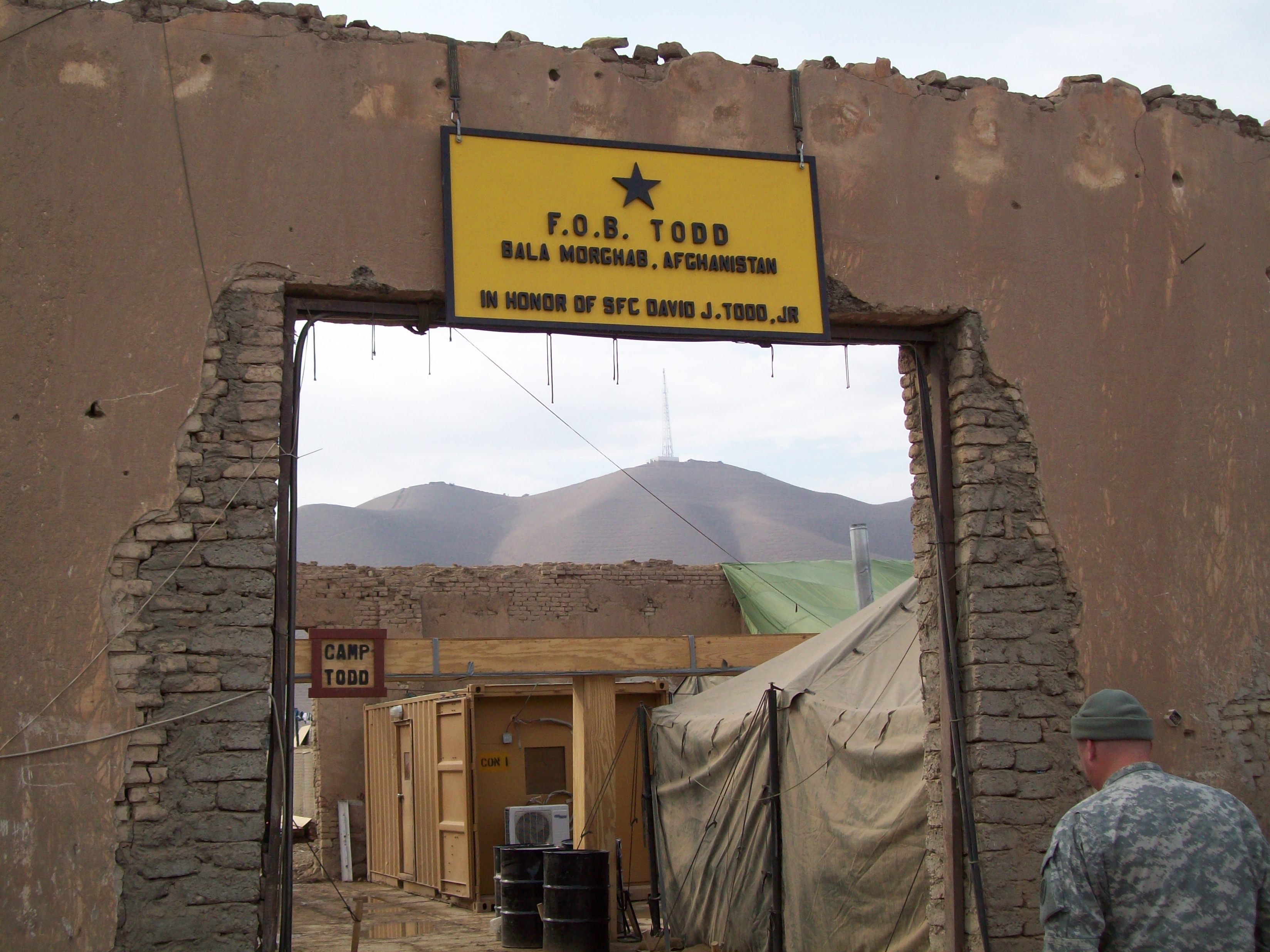
BRISTOL, Tenn. – In the shared, dusty confines of a forward operating base in Afghanistan’s notorious Bala Murghab (BMG) Valley, the concept of a tool was a matter of life and death.
For a soldier like Sgt. Thomas Waterman, a tool could be the M-14 rifle he meticulously tuned, the Raven drone he argued was ill-suited for the terrain, or the Claymore mines he plotted to fortify a precarious position.
Today, the tools are different, but the focus, precision, and dedication remain the same.
Now, Waterman’s hands, which once filed down the sears of a rifle and wrestled with door gunners on a hot LZ, are mastering the art of forging steel into custom knives.
He shares a studio with Jason Knight, a world-renowned bladesmith and a star of the television show Forged in Fire, a partnership that marks a world away from the combat patrols and improvised showers of his past.
This new chapter comes after a year of reflection, detailed in a recent, sprawling interview with Dr. Kevin Wallace, a fellow Purple Heart recipient who served in the same volatile valleys a year later than Waterman.
The conversation, raw and unfiltered, painted a vivid picture of the experiences that now fuel Waterman’s creative fire.
“You Always Fall Back on Training”
Waterman’s service was defined by the harsh realities of counter-insurgency warfare. He recounted the chaos of his introduction to BMG, arriving via a Spanish Chinook that immediately took fire. Left alone in a field with a piece of a Bailey bridge as tracers whipped overhead, his welcome was a stark, “Welcome to BMG, mother-[sic]er.”

He spoke of the relentless pace: 18-hour days spent on foot patrols through the bazaar, followed by backbreaking labor filling sandbags and building up the FOB, only to gear up again for an evening patrol.
Through it all, he emphasized a core military truth.
“You never rise to the occasion,” he recalled an old commander saying. “You always fall back on training.”
That muscle memory — the “slap, pull, observe, release, tap, squeeze” — was what took over when the first bullet flew, not grand notions of heroism.
This philosophy of preparation and mastery finds a direct parallel in his new craft. Knife making is not an art of spontaneous inspiration but one of disciplined process: heating, hammering, grinding, and finishing — each step a practiced ritual where the quality of the work falls back on the skill honed at the forge.
When Dr. Wallace asked about patriotism, Waterman’s answer was nuanced, reflecting the perspective of someone who has seen the machinery of government up close. For him, patriotism isn’t blind allegiance.
“I think a true patriot is someone that questions the status quo,” he explained. It’s about upholding the Constitution by challenging overreach, whether it’s an unwarranted search or an arbitrary regulation. Yet, he also believes it’s hypocritical to criticize the system without working to improve it.
“A patriot is someone that actively works to make our project of democracy better,” he said, acknowledging his own dual role as a government employee and a vocal critic of its waste and abuse.

This same hands-on, improvement-driven ethos drives his knife making.
It is a tangible practice of creating something of quality and integrity, a far cry from the disillusionment he felt in Afghanistan, where he admitted, “we were lying the whole time” about making the area safe.
Wallace knew exactly what he meant, as he was in a pivotal international Combat Camera role in that very valley when former President Barack Obama deemed it a transitional province, meaning it was stable enough to enable the Afghan’s control of the armies in the area.
Wallace recalls his truth being a distant reality from that of his former commander in chief.
The transcript reveals a veteran who has seen the extremes of human experience, from the trauma of a close-range sniper shot in Iraq — a memory his children morbidly dubbed “the brain-side picture” — to the absurdist humor of a cat being parachuted from a watchtower by Italian soldiers.
In this context, the forge becomes more than a workshop; it’s a crucible for processing the past.
The intense focus required to shape a blade, to temper it just right, and to perfect its edge is a form of meditation. It’s a way to channel the hyper-vigilance of BMG into a productive, creative act. The tangible, finished product—a sharp, reliable, beautifully crafted tool—stands in stark contrast to the chaotic and often futile efforts of war.
Working alongside a master like Jason Knight provides not just an education in metallurgy, but a shared sense of purpose and a community. It’s a world away from the “weird facade” of a two-week leave from a warzone, a time he described as emotionally challenging for his family.
For Waterman, the journey from the BMG Valley to the blacksmith’s studio is one of transformation. He has traded the tools of war for the tools of a craft, finding a new mission in the heat of the forge and the ring of the hammer. In shaping steel, he is, in his own way, continuing the work of a patriot: actively building, creating, and making something better.
To read more, visit www.HelpVoV.com

Make a one-time donation
Make a monthly donation
Make a yearly donation
Choose an amount
Or enter a custom amount
Your contribution is appreciated.
Your contribution is appreciated.
Your contribution is appreciated.
DonateDonate monthlyDonate yearly
Leave a Reply